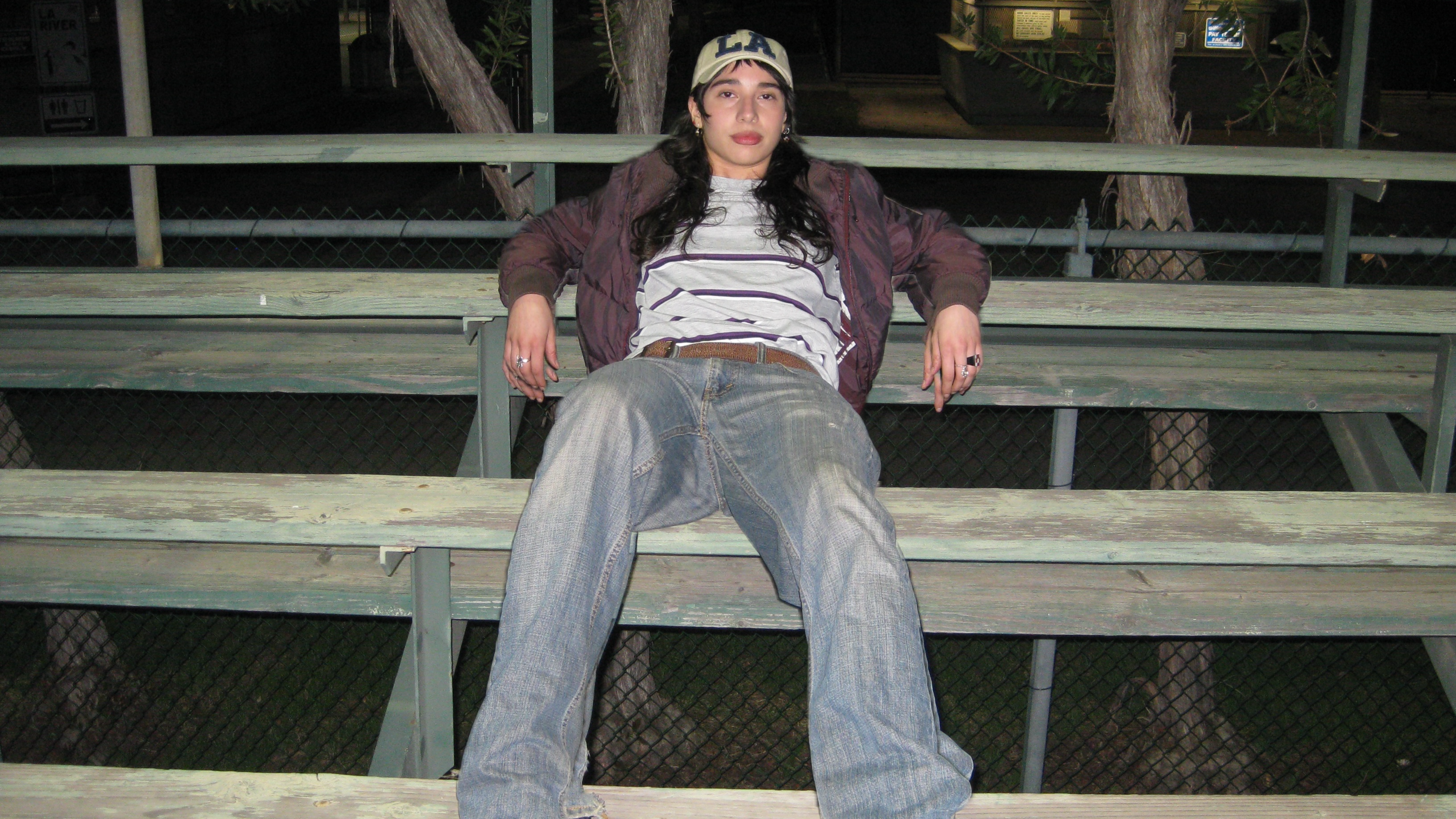
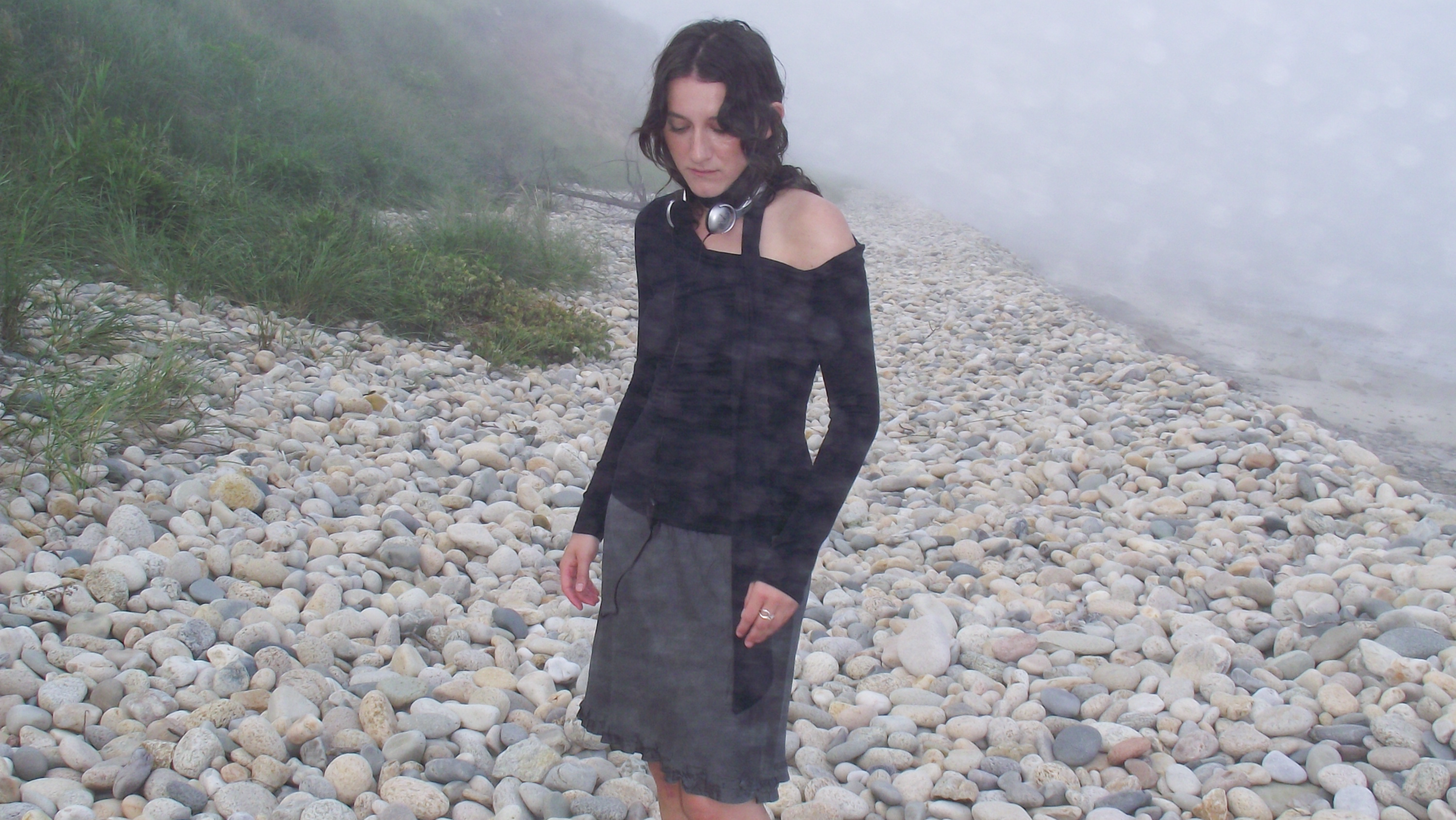
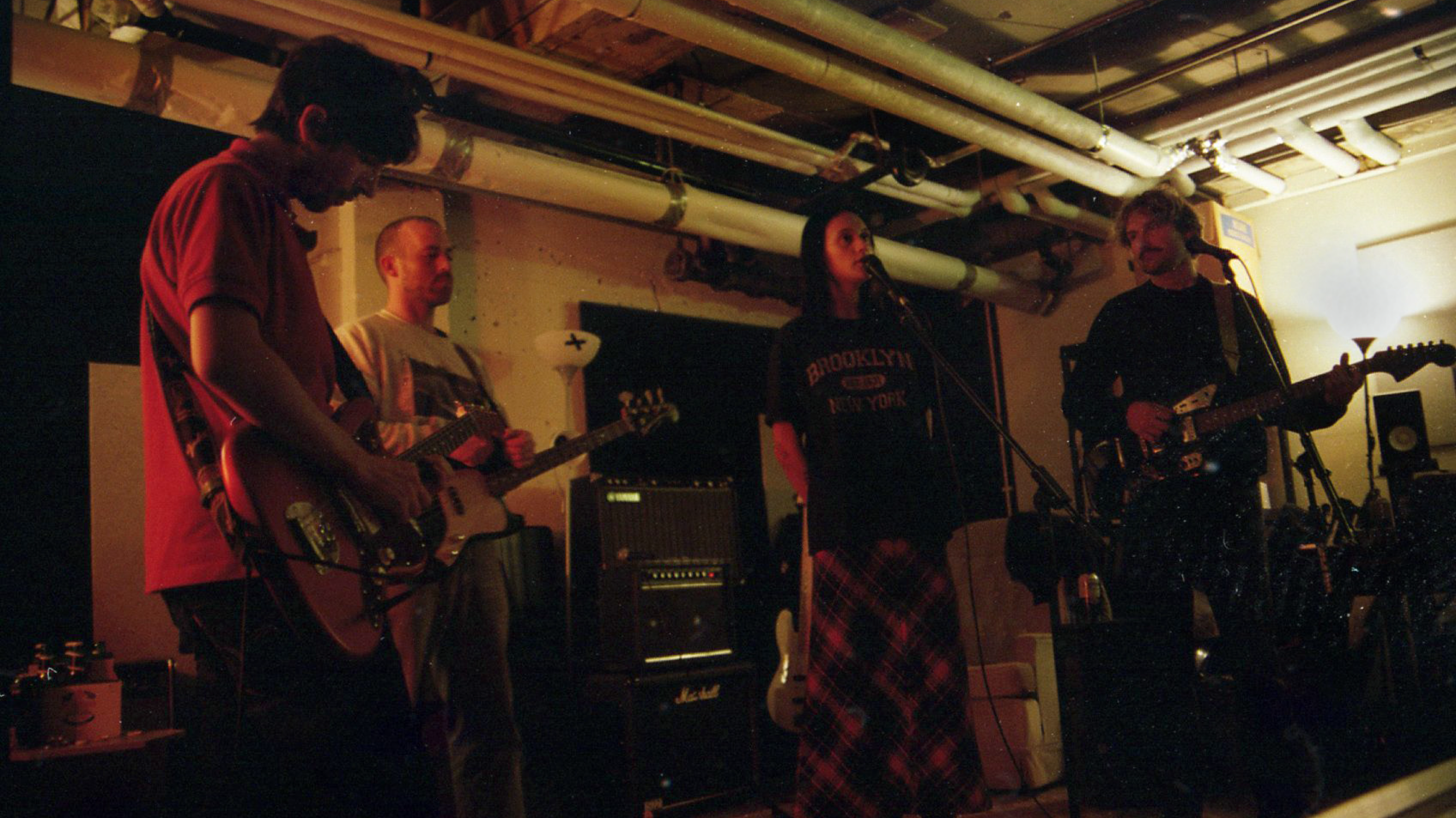
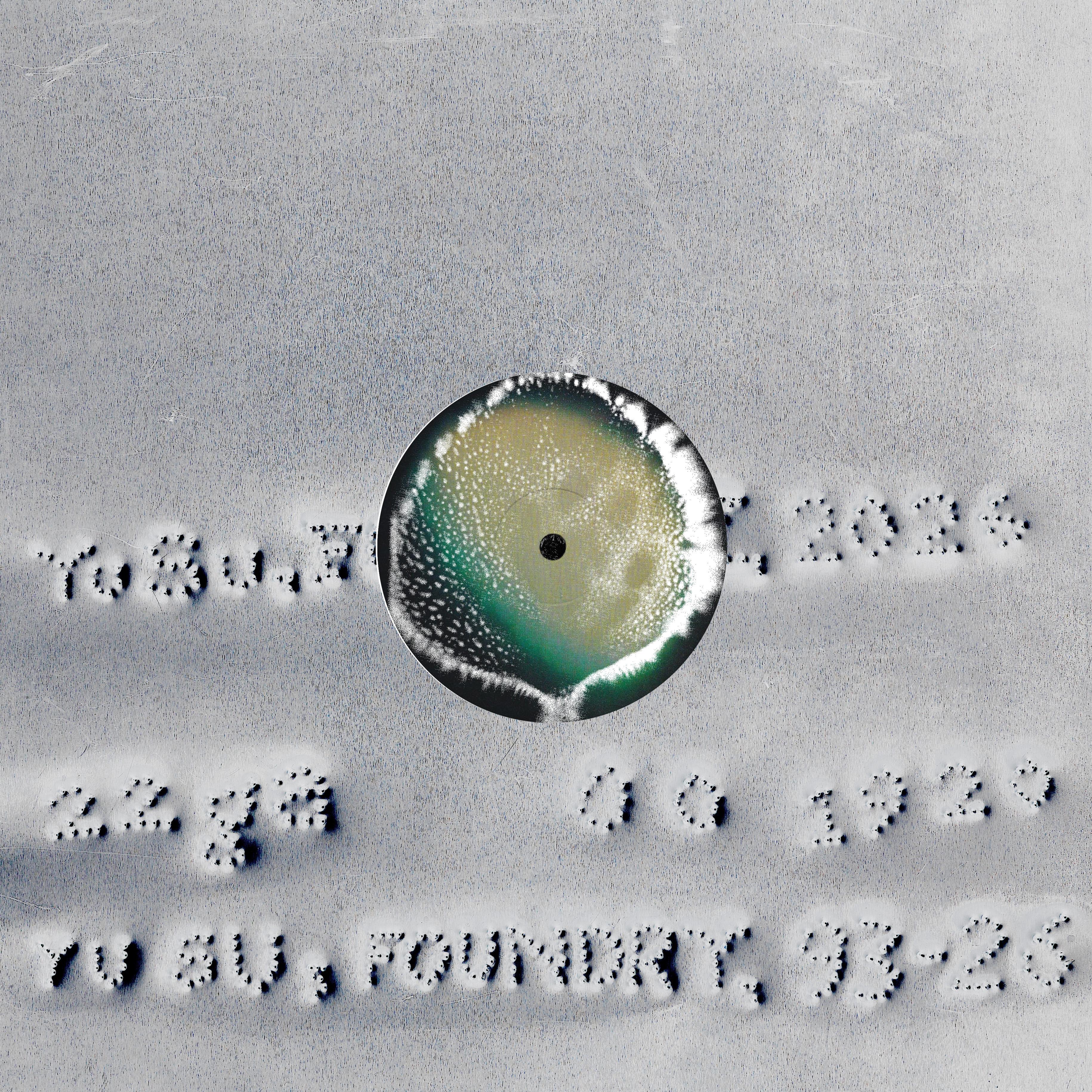
For over a decade, the Chinese producer and DJ Yu Su has been making electronic music that exists at the interzone of a variety of styles. The ever-shifting nature of her methods is on clear display on her great second album, Foundry, a dubby and beguiling record that glances in the general direction of the club without ever stepping foot on the dancefloor. It’s the next step for an artist who has never been comfortable coloring between the lines. We talked to Yu Su about her complicated role in dance music, the record’s striking steel cover, and how her practice as a chef informs the music she makes. Give the piece a read, and be sure to listen to Foundry, below.

Yu Su - Foundry
Q&AThe Chinese producer and DJ on her striking new record.
By editorial
2026/05/06
- 1A Jewel (ft. Dip In The Pool)
- 2Sunless (ft. Memotone)
- 3Cul De Sac
- 4Foundry
- 5One Place After Another (ft. Seefeel)
- 6Wanli
- 7Os Cionn
- 8Ripe Fruits
Tell us a little bit about your new release.
Yu Su: Foundry is, quite literally, a foundry, a smelting of styles I've immersed myself in deeply over the past few years, in particular the minimal and dub techno of 2000 to 2010. Much of this was, to be honest, entirely new to me; I had no exposure to it at the time it was happening, nor during my early years making music in Vancouver through Mood Hut. As a second album, it also says "chapter two.” The evolution is audible when placed against the psychedelic rock, fourth world, and 80s Japanese art rock very prominent in my first album. Last but not least, I have a longstanding fascination with steel and metal as sculptural and industrial form, with artists like Tom Shannon and Carl Andre as touchstones.
How did the album cover art come about?
There is an intentionality to what I want to put into the world, a desire for music that is as tangible as possible, where the boundary between sonic and physical material begins to dissolve. This led to the idea of commissioning Brendan Ratzlaff to design a physical object: an industrial information sheet rendered in steel, something that could exist as both document and sculpture. I then invited Lucas Dupuy to reinterpret it. His obsessions with nature particles, brutalist architecture, light and shadow, feels very inseparable from what Foundry is trying to hold. The resulting work, mystical matter pressed against raw industrial material, feels like an honest portrait of where the music currently lives.
It’s amazing that you were able to collaborate with Seefeel on a track. How did that come together? What was your relationship with their music before the collaboration?
The magic of just simply writing someone a message. I was not familiar with My Bloody Valentine or Aphex Twin when I stumbled across Seefeel's music randomly on YouTube about a decade ago. And yet something in it immediately opened a door. The more time I spend with their music, the more complex and singular it becomes; its impact has only grown deeper. It made me realize that moody, raw and repetitive frequencies could carry an enormous emotional weight where texture and atmosphere alone could be as affecting as anything compositional.
When you make music, are you thinking about how it is going to be received at a club? Is there a specific context you have in mind for this new project?
Never until now, I’ve never really made dance music as you can see. And I don't have that "the club is where I belong" feeling either. It's more that I've come into the club through a side door, a little stumbled upon, still in awe. I'm fascinated by my own interpretation of what a club can be: somewhere underwater: gentle on the surface (imagine how a club of dancers totally all locked in from the outside, as a whole would look like from outer space), but with enormous currents moving beneath.
You just played in Brazil. What was that show like?
Gop Tun this year was exactly how I had imagined it—only with more beautiful surprises. It was one of the few times I have actually prepared for a DJ set. I was aware that the crowd carries an expectation from having watched me play at Nao Existe, their sister festival, a couple of years ago—and the context of a closing set on a Sunday needs to be executed in a proper manner. How do you bring something to a close that has been so full of energy and emotion? I went quite minimal, moody at times for example with Z@p's "Diamante," then anchoring the set around a 2000s Gui Boratto track, Soulwax's "All Systems Are Lying," and Erol's remix of Dubfire's "I Feel Speed" as those climax moments.
Going back: Can you remember the first time you successfully mixed two records together?
Haha definitely back then in Vancouver, maybe mixing something from Larry Heard with a Mood Hut record. Was stressful, I thought vinyls are like thin glass, so fragile, turns out not quite, but you gotta treat them like you treat your sharp knives.
How does your work as a chef inform how you DJ?
It goes both ways. As a cook I'm quite leftfield, as I gravitate toward these "in-between" dishes, which isn't so different from composing sounds that exist between categories. And coming back to that question about club music: the experimental food and sensory sessions I present carry that same sweet spot: quiet and loud, light and dark, gentle and severe, all held in the same space.
What’s a song from 2026 that you’ve been loving?