You are a composer. Your instruments are your feet, your ears, and the campus environment. Using only 1 sheet of paper, 50 words, and illustrations, create a “score” that can be performed by a friend.
Classical music suggests that scores ought to be arrangements of musical notes to realize the composer’s artistic vision. What would it mean to involve the existing sounds of your environment within a composition? Your score can only be realized through the active participation of the performers, through their listening, walking, and interacting with the environment. Consider what you are trying to express through your score.
What would you like to share about how you move through the environment?
What sounds or phenomena do you feel are going unnoticed?
What interventions can you imagine within the immediate soundscape?
How do different ways of moving your body affect how you listen?
The score gives you the opportunity to place your friend (the performer) in your shoes, to craft an experience that allows them to see and hear from your perspective. This is an exercise in presence where musicality and creativity emerge from paying attention to the surrounding environment. This is also an opportunity for you to reflect on the unique experiences and perspectives you bring to creative work. In understanding ourselves better, we can tap into what our soul is trying to express through creativity.
Consider this an experiment, one in which you give yourself the permission to share how you experience the world with others. Do not stress about the proper form or the way in which this will be evaluated. Let yourself take a risk with your creativity.
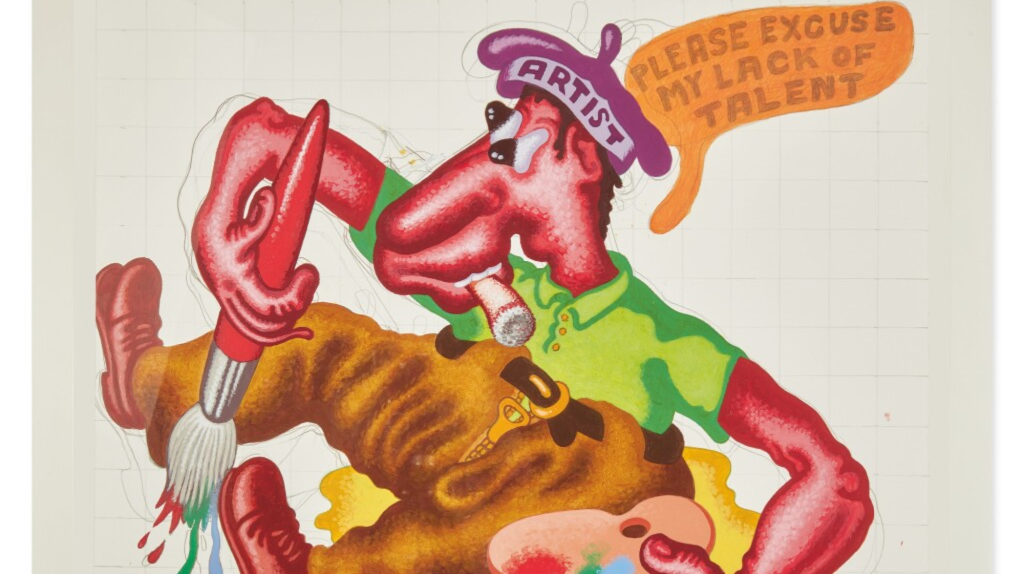
Think of yourself as already an artist. Bloom.
For Background and Inspiration:
Sound Walk - Hildegard Westerkamp
Feminist step - Elena Biserna (lecture on the listening and walking as artistic practices)
Theory of the Dérive - Guy Debord
Image: Peter Saul - Please Excuse My Lack of Talent