When I describe the music of Graham Hunt, which I’ve done a fair amount at this point, I usually end up defaulting to a somewhat reductive elevator pitch, modulated only by specific reference paths and the amount of energy drinks I have consumed that day. Does the Wisconsinite’s music sound like The Goo Goo Dolls made a record with The Dust Brothers? Does it sound like Shaun William George Ryder trapped in a Milwaukee basement and forced to live entirely on Hamms, “defective” sausages purchased from the Usinger's factory, and used power pop compilations?
Graham has put out five records in six years, each one special in its own way. The man can throw down some tweaked-out content but immediately pull you back into reality with a pop-rock belter good enough to be included on the Friends soundtrack.
But let me get more Gramular here: I think one of the reasons Hunt’s music “hits different” for me is that, completely unintentionally, he has synthesized a few different strands of Wisconsin music—music that I loved at a very young, formative age—into something that can both bring me back to a period of fresh-out-of-the-psych-ward discovery and pull me into the present. It’s got the post-Beck, anything-goes flavor of Citizen King’s Mobile Estates, an underrated record that did produce one massive hit single, and it’s got the hook-heavy Midwestern pop spirit of The Benjamins’ The Art of Disappointment and The Promise Ring’s Very Emergency, the latter of which I first encountered through a listening station at the old Atomic Records on Milwaukee’s East Side. (I bought all three of these records at Atomic.)
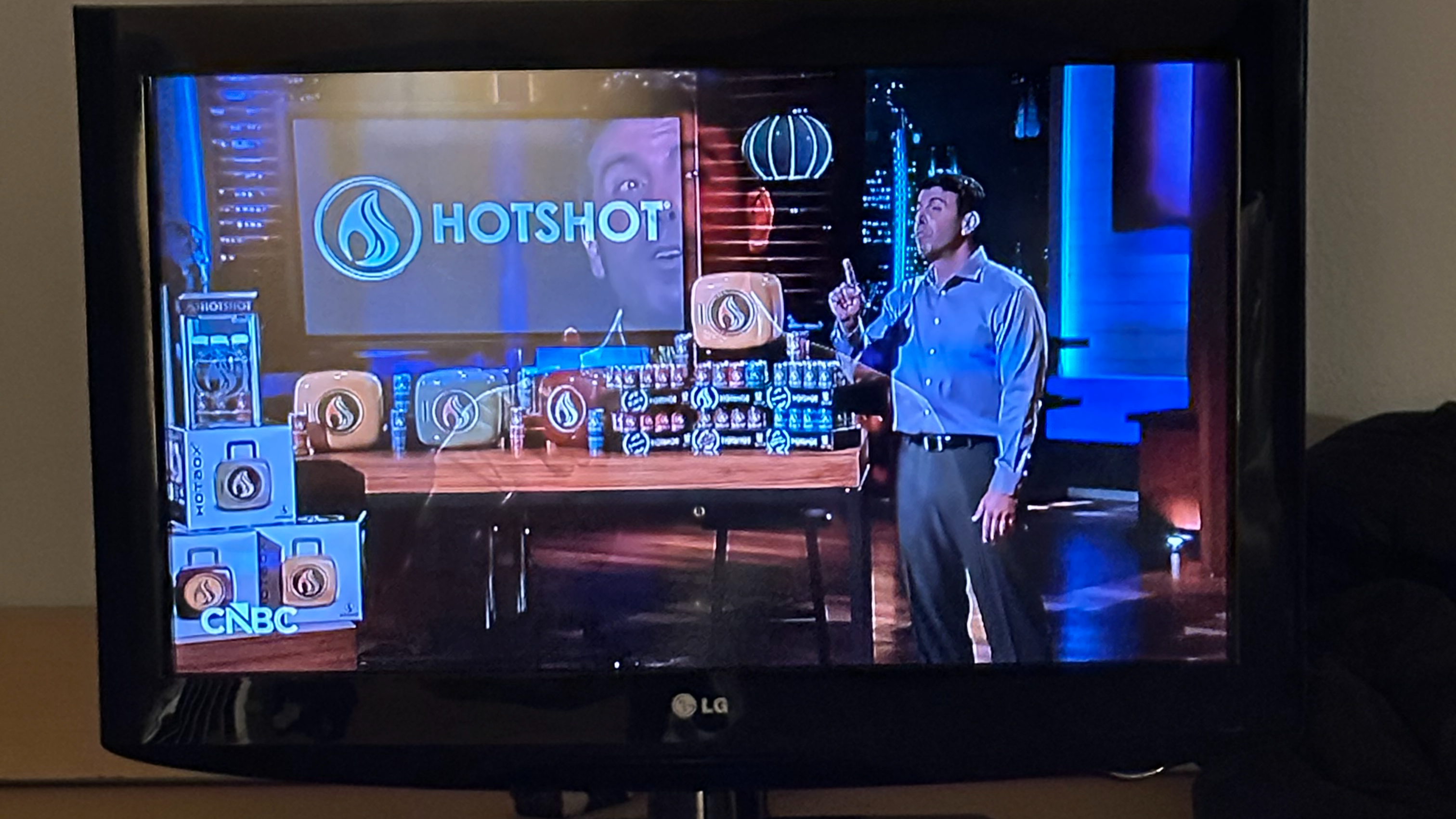
Anyway, when I found out Graham was opening for VH1core rockers Momma at Amityville Music Hall on Long Island, a club that I knew about through my habit of watching hardcore shows on YouTube, I doubled up on the HEATTECH and made the trek. I ordered a nearby hotel using credit card points and sat my ass down on the LIRR. I was going to watch some rock music, and then I was going to go watch Shark Tank in a middling business-class extended-stay hotel.
I’ve seen Graham a lot; I keep coming back because every set is kind of different: different band configuration, different setlist, slightly different vibe. The last time I saw him, at Nightclub 101 in Manhattan, he was playing in a duo configuration with drummer Stu Manley, a slick skinsman whose chops remind me a bit of Yuval Gabay’s jungle-informed playing on the Soul Coughing record El Oso. Manley was in the cut that freezing night on Long Island, along with Logan Severson on guitar and Shannon Connor on bass. All three play in another top-shelf Wisconsin rock and roll band: Disq. The band was on the way to a festie in Boston. They had drove 15 hours and were ready to warm up an age-diverse crowd of Long Island concert enthusiasts.
If Hunt’s set at Nightclub 101, which leaned heavily on backing tracks, presented him as something approaching a “leftfield pop” artist, his set that night at a rock club on Long Island across the street from a restaurant called “Encounter Poke” went into another mode: guitars loud, Liquid Death waters five duckets a pop. Graham pretty much didn’t talk, leaving the small amount of banter to Severson. That’s a good move—could probably be played up even more in some sort of way. Graham's back catalog is formative. It’s always nice seeing what album cuts he is going to pull out to please the punters!
No doubt, it was a great set to catch, but I had to split. I had some Shark Tank to watch. Some guy was trying to bring those hot cans of coffee that are so popular in Japan to the American market. Let’s just say that things did not go very well for him.


